

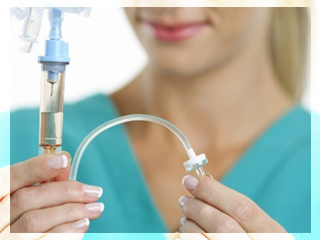
Infusion therapy (intravenous administration of solutions of various drugs into the body) is currently one of the most important medical measures aimed to solve a wide range of medical problems. This method of treatment exists since the 30s of the XIX century.
This method of treatment allows you to achieve a rapid therapeutic effect, as the medicine enters directly into the bloodstream, and also allows you to control its action more effectively.
Nowadays, the infusion therapy covers almost all areas of modern medicine and is one of the most common methods of treatment, which is used in the practice of doctors of various specialties: therapists, cardiologists, rheumatologists and many others.
Particularly, this method of treatment is quite widely used in the neurology.
Medicines, which improve the nutrition and blood supply of the nervous system, microcirculation and have a neuroprotective effect, are used in cases of various neurological disorders.
The infusion therapy is included in the treatment schedule under the following conditions:
- After the stroke, cerebral trauma, in case of the chronic insufficiency of the cerebral circulation doctor prescribes medicines that improve the brain blood supply, normalize blood viscosity and improve its fluidity, and also medicines, which improve the neurons work (brain cells).
- A good therapeutic effect of infusion therapy is observed in case of various pain syndromes treatment.
- A therapy of vestibular disorders (dizziness or tinnitus).
It is important to remember that carrying out the infusion therapy is possible only if there are appropriate indications and strictly according to the prescription of your doctor!
Your doctor will indicate the medicine, its dosage, course of treatment, rate of administration (stream or drip) in the prescription.
The procedure duration depends on the rate of medicine administration and normally takes from 30 minutes to 1 hour.
During the procedure the patient should be always under the medical personnel supervision.
For setting up the dropper we are using only one-time systems for intravenous infusion and needles.


 by bus No. 7 (on weekdays)
 by bus No. 181
 by trolleybus No. 6, 16, 18